GREAT MOMENTS IN SCHADENFREUDE: CNN Mood ‘Like a Funeral’ as Paramount’s Warner Bros. Win Casts New Haze on Next Steps.
A new corporate parent, Paramount Skydance is set to take the reins of CNN in October, and with that change of control could come entirely new goals — and means of executing them.
Even Mark Thompson, chairman and CEO of CNN, seemed to not know much about next steps. “Over the coming days you’ll hear much more about what this means for CNN, including the date of the close,” he told staffers Monday.
The mood at CNN is “like a funeral,” says one person familiar with the operation.
CNN personnel have reason to worry. Paramount’s management of CBS News has been controversial, and has not been good for the business of the news unit. Changes made under Bari Weiss, installed last year as editor in chief, have brought unnecessary scrutiny to news reports, and anchors have made public entreaties on Instagram when people post notes suggesting that Weiss’ background as a digital entrepreneur and provocative opinion writer have muddied the newsgathering at the network. Tweaks made at “CBS Mornings” and “CBS Evening News” are still too nascent to make final judgement, but both shows continue to lag their rivals in the ratings, with the morning show suffering significant erosion. Weiss’ decision to overhaul “60 Minutes,” widely considered the jewel of CBS and of TV-news overall, has left the venerable newsmagazine open to criticism and backlash.
Gentlemen, this is the newsroom— how dare you expose us to scrutiny, criticism, and backlash! And note that this report is in Variety, the Hollywood trade paper, which has its own axes to grind.
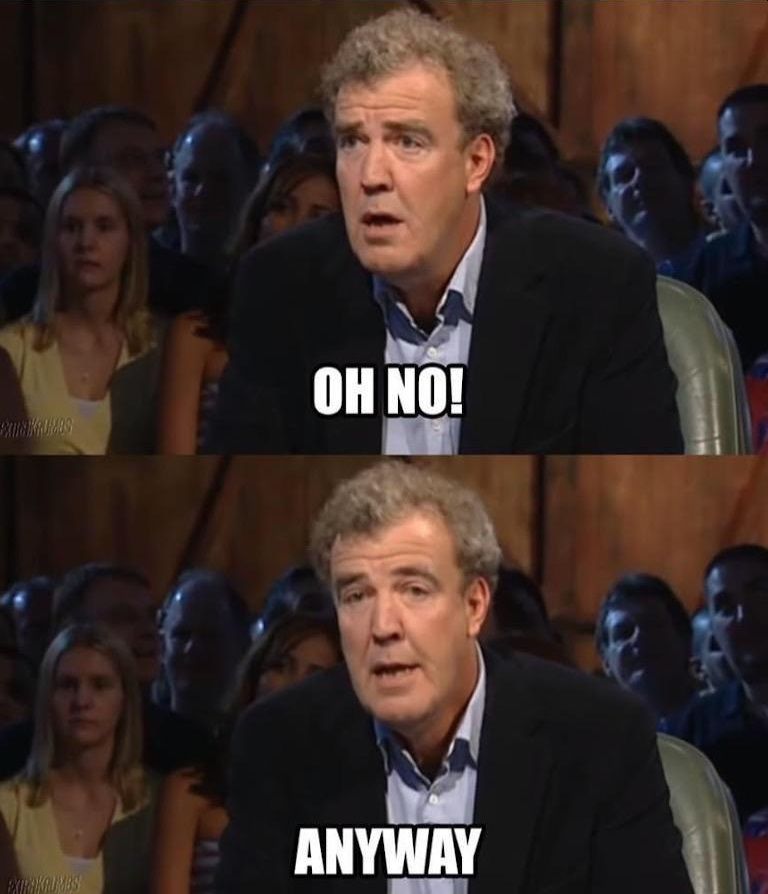
And while CNN and Variety are melting down over this news, a big portion of the country is thinking:
UPDATE:
It’s the end of CNN as we know it. https://t.co/0uAscN0dGW pic.twitter.com/ntygUtcg9r
— Ajit Pai (@AjitPai) September 22, 2026